
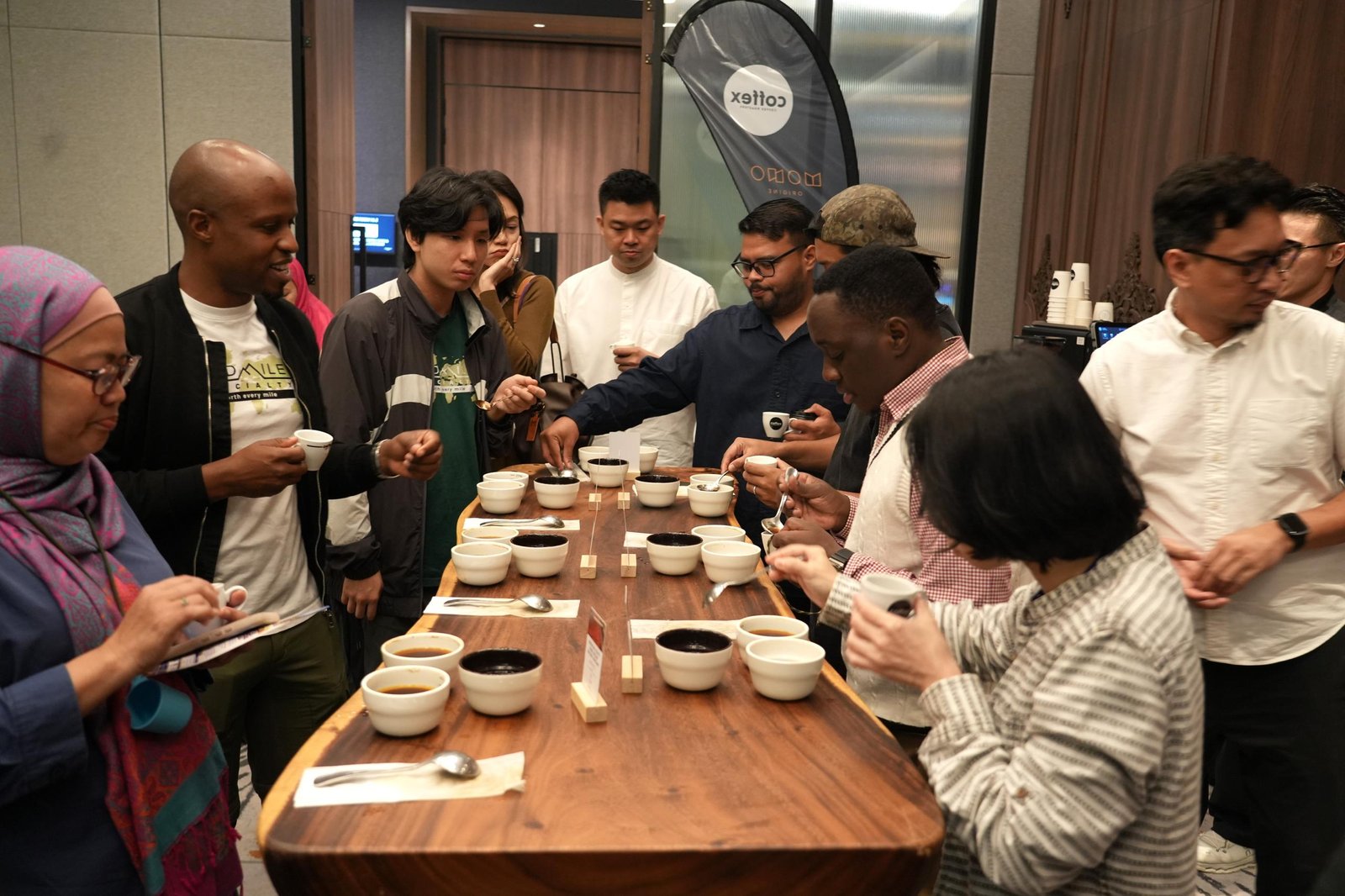
For one morning in Kuala Lumpur, Uganda arrived in the cup. Roasters, café owners, buyers and coffee lovers gathered around a long wooden table for Uganda Coffee Cupping 2026 — slurping, scoring and talking about what Ugandan coffee tastes like, and what it could mean for their businesses.
A Ugandan morning in a Kuala Lumpur function room
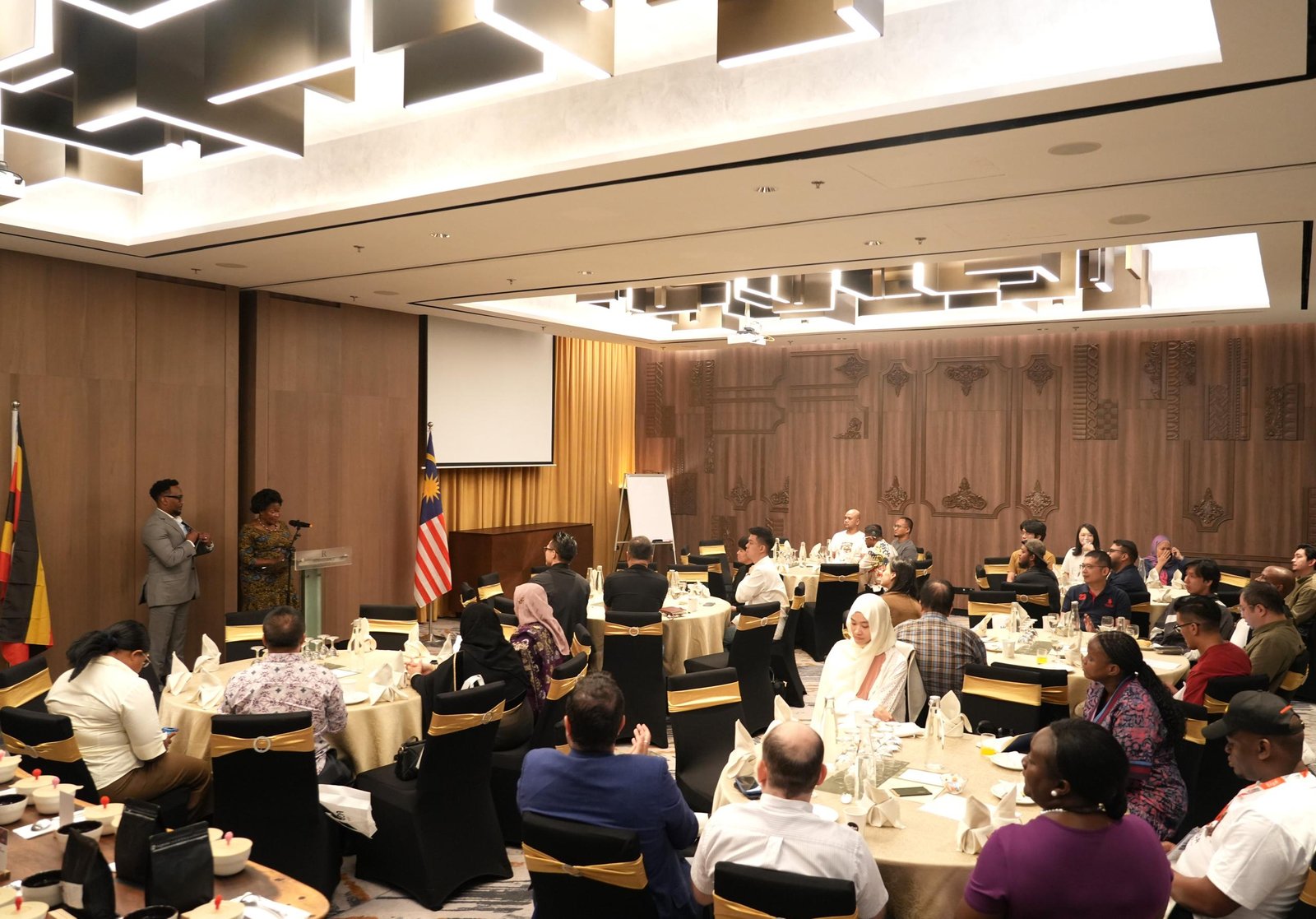
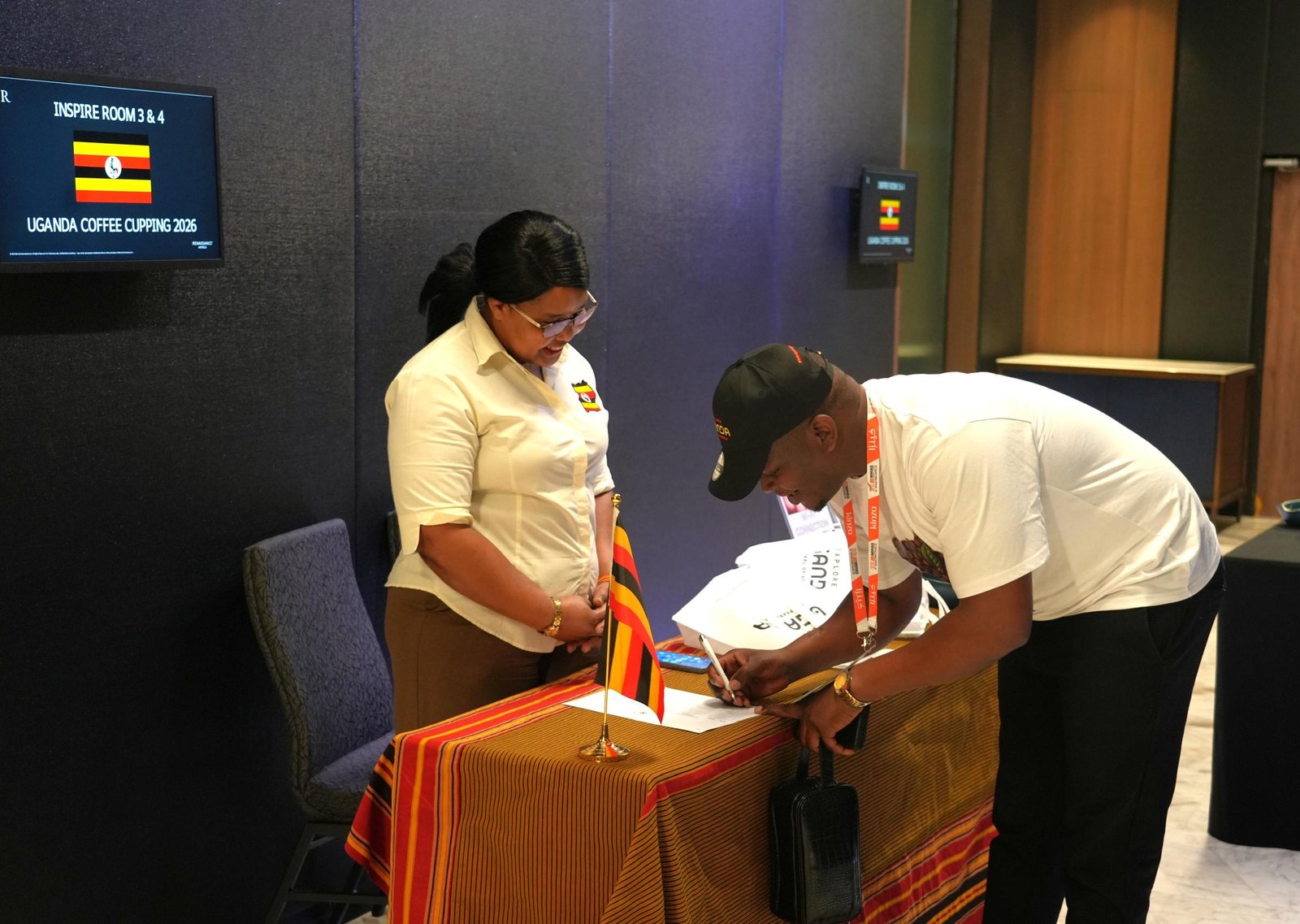
Guests signed in beside a Uganda flag and a table dressed in Ugandan cloth, collected their tasting notes, and took their seats as the Uganda and Malaysia flags stood together at the front of the room. The screens outside read simply: Uganda Coffee Cupping 2026.
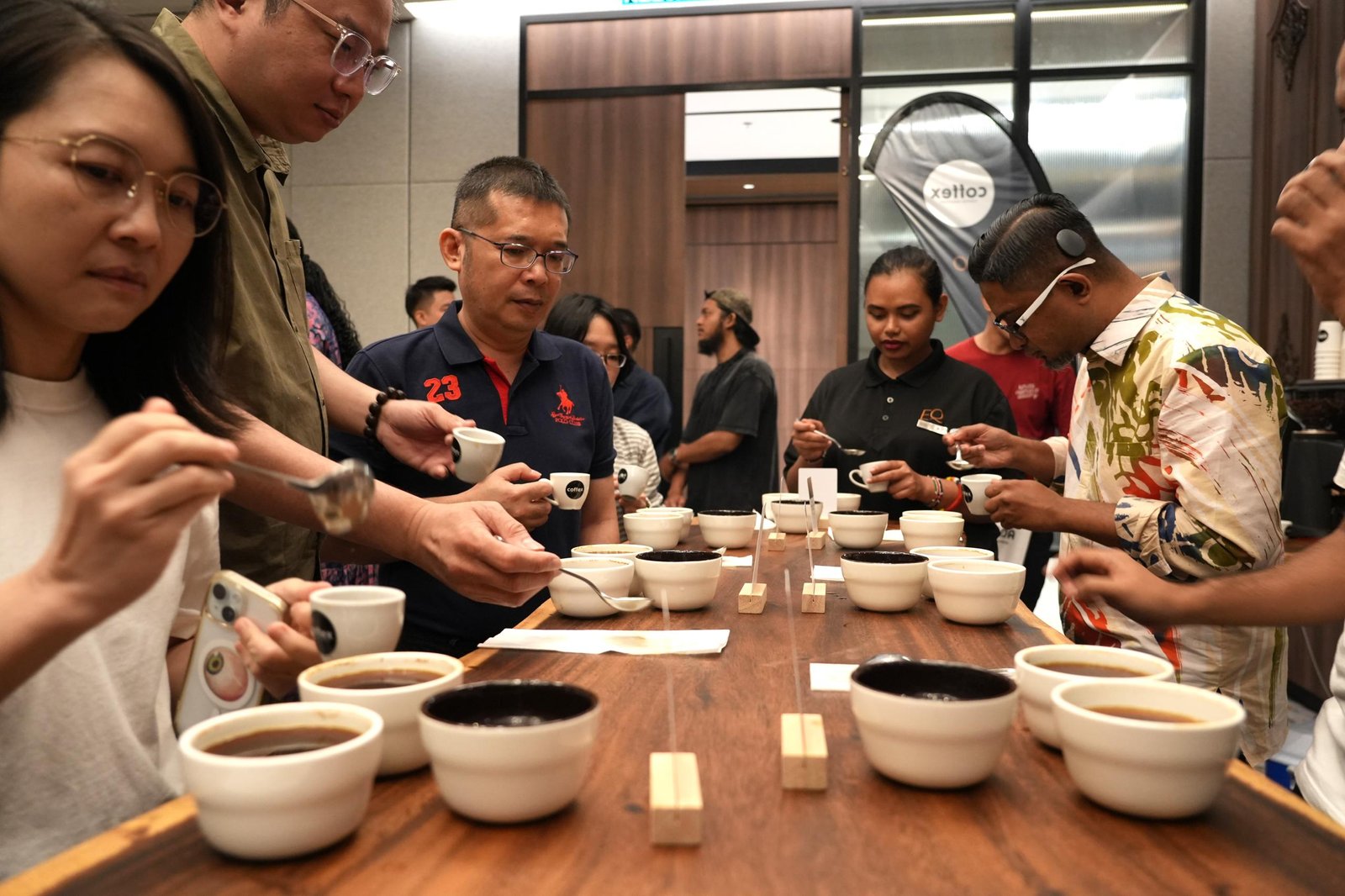
After the opening remarks, the room moved to the cupping tables — and the formality dissolved into the particular sound of a cupping session: spoons clinking, bowls sliding, and the loud, unembarrassed slurp that lets coffee spread across the palate.
What was in the bowls
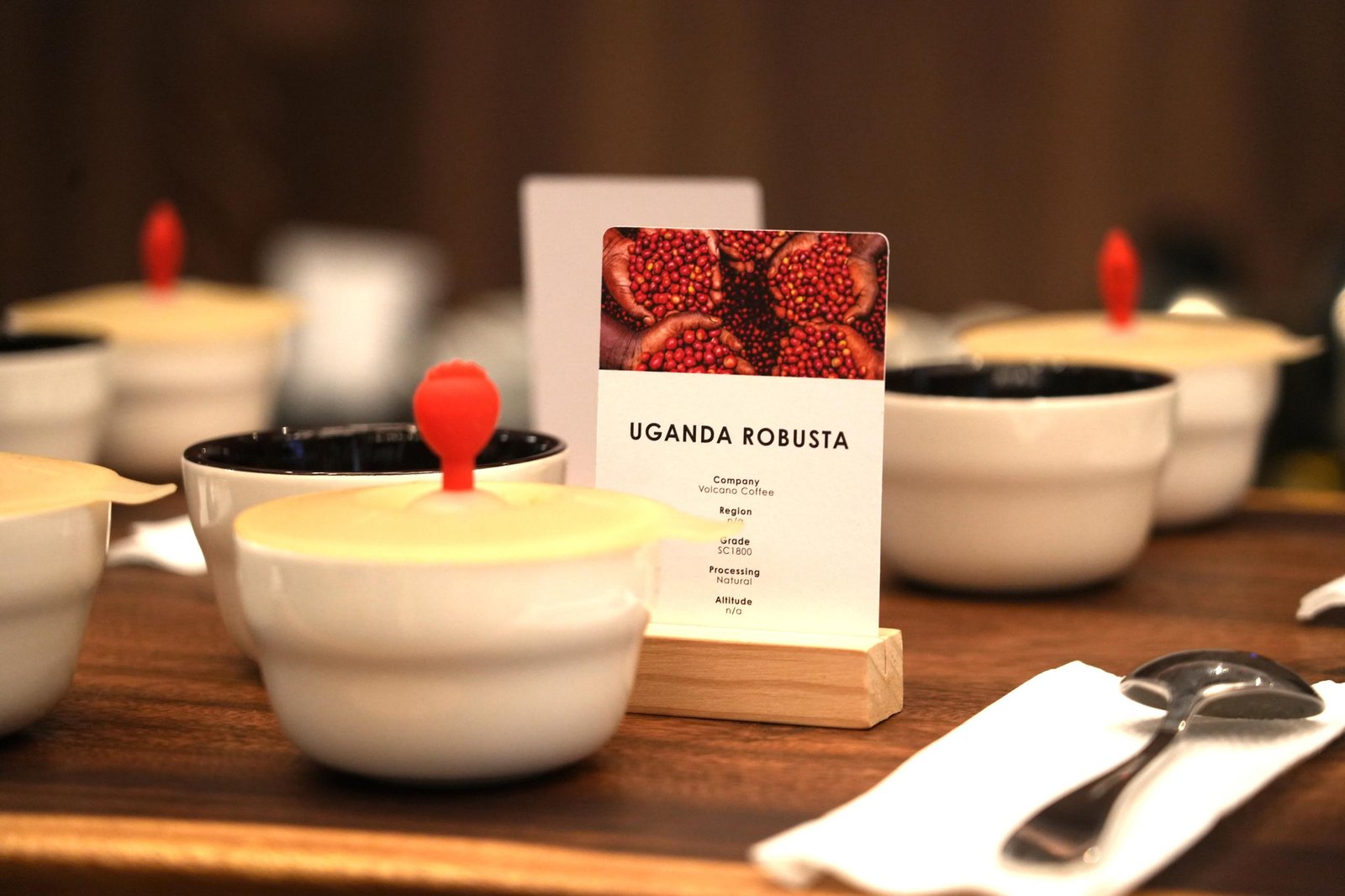
Each set of bowls carried its own card: the coffee, the company, the grade and how it was processed. Among them was a Uganda Robusta from Volcano Coffee, graded SC1800 and naturally processed — the kind of detail that turns a pleasant cup into a conversation about sourcing.
That detail matters. Uganda is one of Africa’s largest coffee exporters, and Robusta is native to the country’s forests. For many in the room, this was a first structured tasting of Ugandan coffee rather than a passing mention on a menu.
Why a cupping is more than a tasting
A cupping is the coffee trade’s shared language. Everyone tastes the same coffees, in the same way, at the same time, and scores what they find. It is how buyers decide what to import, how roasters decide what to put on their menus, and how origins earn a reputation that lasts longer than a marketing campaign.
Putting Ugandan coffee on that table in Kuala Lumpur does something a brochure cannot: it lets Malaysian businesses judge it on taste, in a room where they can ask questions and follow up afterwards.
Trade, told one cup at a time
Events like this sit at the meeting point of two things the Union cares about: Ugandan business abroad and a Uganda that Malaysians know for something specific. Specialty coffee is a small, tightly connected industry here. A roaster who tastes a coffee they like will remember where it came from, and tell the next person who asks.
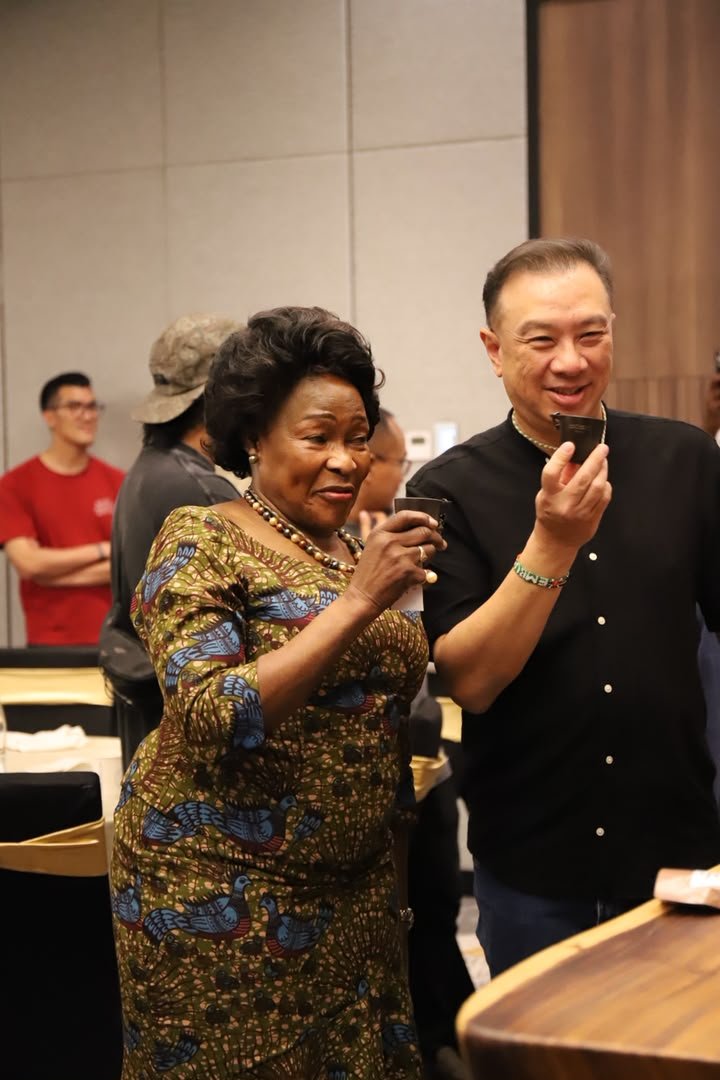
For Ugandans living, studying and working in Malaysia, there is something quietly moving about watching a room full of strangers take your country’s coffee seriously — sniffing, scoring, comparing notes, and going back for a second cup.
Interested in Uganda–Malaysia trade?
The Union supports Ugandan entrepreneurs in Malaysia and helps connect members with partners, events and opportunities. If you work in coffee, food or export, get in touch — we would like to hear from you.
Photos from the day






Add comment